
Owner: @Unknown user
Related Pages:
Youtap Project Management Practices
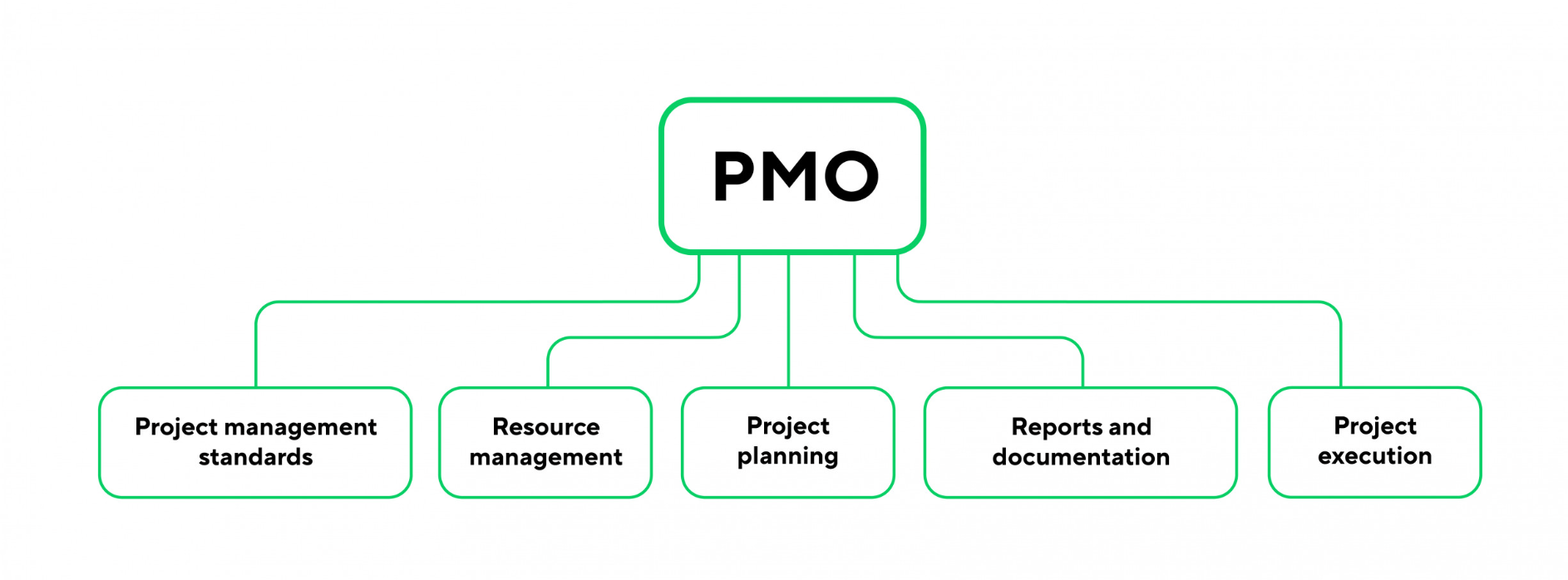
This outlines a standard PMO approach to any and all projects. The approach can be amended to suit customers or specific project needs.
-
Project Initiation:
-
Clearly define the project's purpose, objectives, scope, and stakeholders.
-
Create a project charter that outlines the project's high-level details and goals.
-
Identify key project team members and their roles.
-
-
Project Planning:
-
Develop a detailed project plan that includes tasks, timelines, dependencies, and resource allocations.
-
Create a work breakdown structure (WBS) to break the project into manageable components.
-
Identify and allocate resources, including personnel, budget, and materials.
-
Develop a risk management plan to identify, assess, and mitigate potential risks.
-
-
Communication Management:
-
Establish clear communication channels and protocols within the project team.
-
Develop a communication plan to keep stakeholders informed about project progress and changes.
-
Ensure regular team meetings and status updates.
-
-
Stakeholder Engagement:
-
Identify all project stakeholders and their interests.
-
Develop strategies for engaging and managing stakeholder expectations.
-
Seek feedback and input from stakeholders throughout the project.
-
-
Risk Management:
-
Continuously identify, assess, and monitor project risks.
-
Develop strategies for risk mitigation and contingency planning.
-
Regularly review and update the risk management plan.
-
-
Change Management:
-
Be prepared to handle changes in project scope, objectives, or requirements.
-
Establish a formal change management process to evaluate, approve, and implement changes.
-
Communicate changes to the project team and stakeholders.
-
-
Quality Assurance and Control:
-
Define quality standards and criteria for project deliverables.
-
Implement quality control processes to ensure that deliverables meet the defined standards.
-
Conduct regular quality audits and inspections.
-
-
Resource Management:
-
Efficiently allocate and manage project resources, including personnel, equipment, and budget.
-
Monitor resource utilization and adjust as needed to ensure project success.
-
-
Task Management:
-
Assign tasks and responsibilities to team members.
-
Track task progress and ensure that milestones and deadlines are met.
-
Address any roadblocks or delays promptly.
-
-
Documentation and Knowledge Management:
-
Maintain comprehensive project documentation, including project plans, reports, and lessons learned.
-
Establish a knowledge management system to capture and share project insights.
-
-
Performance Measurement and Reporting:
-
Define key performance indicators (KPIs) and metrics to measure project progress and success.
-
Regularly collect and analyze data to track performance against KPIs.
-
Provide regular project status reports to stakeholders.
-
-
Continuous Improvement:
-
Encourage a culture of continuous improvement, where team members regularly review processes and seek ways to enhance efficiency and effectiveness.
-
Use post-project evaluations to identify areas for improvement.
-
-
Closure and Evaluation:
-
Conduct a formal project closure process to ensure that all project objectives have been met.
-
Evaluate the project's overall success, including its adherence to scope, timeline, and budget.
-
Capture lessons learned and share them with the team and organization.
-
Youtap Tools
The choice of project management tools depends on the team's needs, preferences, and the specific requirements of the projects. Here is a list of commonly used project management tools and their purposes:
-
Project Planning and Scheduling:
-
Microsoft Project: A comprehensive tool for creating project plans, Gantt charts, and tracking project progress.
-
Smartsheet: Combines the familiarity of spreadsheet software with project management features, enabling task management and collaboration.
-
-
Task and Workflow Management:
-
http://Monday.com https://youtap-squad.monday.com/: A versatile work operating system that offers task management, collaboration, and automation features.
-
Wrike: A collaborative work management platform with task and project tracking capabilities.
-
-
Communication and Collaboration:
-
Slack: A team communication tool that facilitates real-time messaging, file sharing, and integrations with other apps.
-
Microsoft Teams: Combines chat, video conferencing, file sharing, and app integrations for team collaboration.
-
Zoom: A video conferencing and collaboration platform for virtual meetings and webinars.
-
-
Document Management and Sharing:
-
Microsoft SharePoint: A platform for document management, collaboration, and intranet development within organizations.
-
Google Workspace (formerly G Suite): Provides tools like Google Docs, Sheets, and Drive for document creation, collaboration, and storage.
-
Jira Confluence: A platform for document management, collaboration, linked to Youtap Jira Workspace.
-
Dropbox Business: Offers cloud-based storage and file sharing with collaboration features.
-
-
Time Tracking and Resource Management:
-
Harvest: Time tracking and expense management software for tracking project hours and costs.
-
Resource Guru: A resource scheduling and management tool for optimizing resource allocation.
-
Float: Resource scheduling software that helps teams manage workloads and project timelines.
-
-
Risk Management and Issue Tracking:
-
Jira: A popular issue and project tracking tool, often used for Agile development and software projects.
-
Risks & Issues Register Template: Excel or Google Sheets templates designed for tracking project risks and issues.
-
-
Kanban Boards and Agile Project Management:
-
Jira Software (with Agile boards): Supports Agile methodologies like Scrum and Kanban with boards, sprints, and backlog management.
-
-
Budget and Expense Tracking:
-
Xero: Accounting software that can be used for budget tracking and financial management.
-
-
Reporting and Analytics:
-
Tableau: A data visualisation tool for creating interactive and shareable dashboards.
-
Power BI: Microsoft's business analytics tool for creating visual reports and insights.
-
-
Collaboration and File Sharing for Remote Teams:
-
Miro: An online collaborative white-boarding platform for visual collaboration.
-
Notion: Combines note-taking, task management, and collaboration features for teams.
-
Roles and Responsibilities
-
Head of Program Management:
-
Program Management Leadership
-
Program Portfolio Oversight
-
Resource Allocation and Optimization
-
Stakeholder Engagement
-
Risk Management and Issue Resolution
-
Quality Assurance and Governance
-
Change Management Strategy
-
Communication and Reporting
-
Integration and Coordination
-
Performance Measurement and Evaluation
-
Talent Development
-
Strategic Planning and Alignment
-
Program Closure and Lessons Learned
-
-
Program Manager:
-
Program Planning and Strategy
-
Project Portfolio Management
-
Resource Allocation and Management
-
Stakeholder Management
-
Risk and Issue Management
-
Quality Assurance and Program Governance
-
Change Management
-
Communication and Reporting
-
Integration and Coordination
-
Performance Measurement and Evaluation
-
Program Closure
-
-
Project Manager:
-
Overall responsibility for the successful planning, execution, monitoring, and closure of projects.
-
Develops project plans, schedules, and budgets.
-
Assigns tasks and responsibilities to team members.
-
Manages project risks and issues, including mitigation strategies.
-
Acts as the primary point of contact for stakeholders and clients.
-
Ensures project objectives align with the organization's goals.
-
Oversees project documentation and reporting.
-
Coordinates and facilitates project meetings and communications.
-
-
Project Coordinator:
-
Assists the Project Manager in organizing and coordinating project activities.
-
Helps maintain project schedules and task assignments.
-
Supports communication among team members and stakeholders.
-
Tracks project progress and updates project documentation.
-
May assist with administrative tasks such as meeting scheduling and document management.
-
Acts as a backup for the Project Manager when necessary.
-
-
Team Members (e.g., Developers, Designers, Analysts):
-
Responsible for completing assigned project tasks within deadlines.
-
Collaborate with other team members to achieve project objectives.
-
Provide regular status updates on task progress.
-
Raise any issues or roadblocks to the Project Manager.
-
Contribute expertise and skills to project deliverables.
-
Ensure the quality and accuracy of their work.
-
Actively participate in project meetings and discussions.
-
-
Business Analyst:
-
Gathers and analyzes project requirements from stakeholders.
-
Assists in defining project scope and objectives.
-
Works with stakeholders to document business processes.
-
Develops functional specifications and use cases.
-
Collaborates with the Project Manager to ensure project requirements are met.
-
-
Quality Assurance (QA) Analyst/Tester:
-
Ensures the quality and functionality of project deliverables.
-
Creates test plans, test cases, and test scripts.
-
Conducts testing to identify and report defects.
-
Collaborates with developers to resolve issues.
-
Validates that project requirements are met through testing.
-
-
Subject Matter Experts (SMEs):
-
Provide specialized knowledge and guidance related to specific project aspects.
-
Offer insights and expertise in their respective domains.
-
Collaborate with the project team to ensure accuracy and relevance of project work.
-
-
Client or Stakeholder Representatives:
-
Act as the liaison between the project team and external stakeholders or clients.
-
Communicate stakeholder/client needs, expectations, and feedback to the project team.
-
Provide input and approvals on project deliverables.
-
-
Change Control Board (CCB):
-
Responsible for reviewing and approving changes to project scope, objectives, or requirements.
-
Ensures that proposed changes align with project goals and do not adversely impact project timelines or budgets.
-
May include members from various departments or disciplines.
-